
Rooted Heart
Wellness
In 2016, Jessica Love's heart stopped for 7 minutes from takotsubo cardiomyopathy (broken heart syndrome). Read how surviving stress cardiomyopathy transformed her approach to integrative cardiovascular medicine.
2016
I was doing everything society tells you to do when you want to succeed. Working as a nurse and studying long hours to become a nurse practitioner. Preparing for my board exam. Pushing through the exhaustion because the finish line felt so close.
By my own admission, I was a perfectionist. I told myself I was fine. Being stretched too thin was "normal" and would all go away once I finished school. I was 30 years old. I was the picture of health. I ate well and exercised daily. I could handle it.
I was wrong.
2016
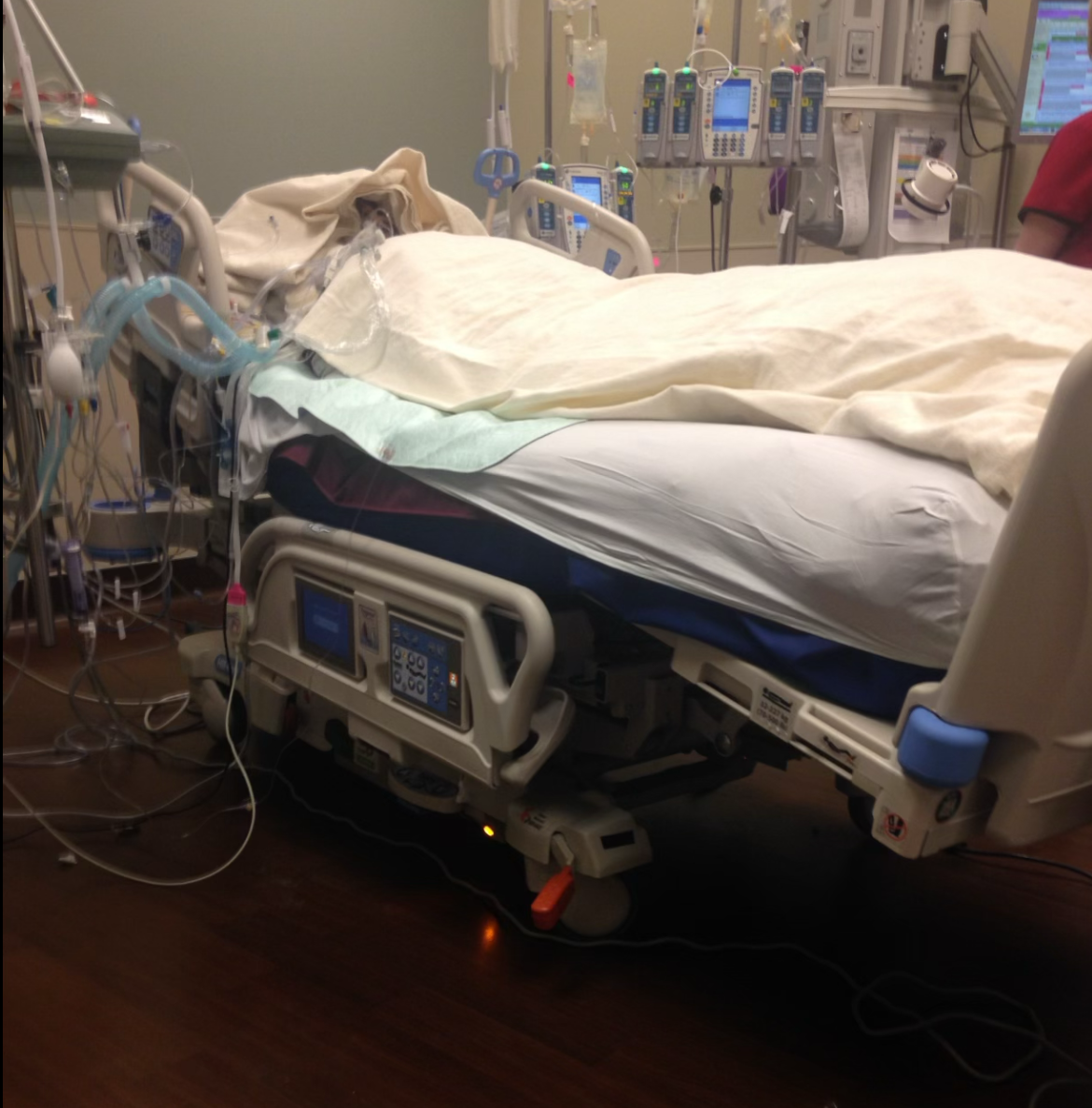
The ICU bed where I was fighting for my life. Sharing this photo is not intended to elicit fear, but to show the significant impact that stress can have on the physical body.
My body finally said enough. At first, I thought the racing heart and shortness of breath were due to anxious thoughts, but then the chest pressure and heaviness in my legs began. The home blood pressure machine was not giving me a reading and my arms were turning white. I checked myself into the emergency department and my conditioned rapidly declined. A breathing tube was placed and I was life-flighted to a Level 1 trauma center, later being diagnosed with stress-induced cardiomyopathy, also known as Broken Heart Syndrome or Takotsubo cardiomyopathy. The stress levels in my body had gotten so high that it basically shocked my heart. It stopped metabolizing fuel and could not contract properly anymore.
I went into cardiac arrest and required CPR and resuscitation to regain my pulse.
The doctors were honest with my family. They were minutes from connecting me to a machine to do the work for my heart. There were moments when they were not sure I would make it.
The condition mimicked symptoms of a heart attack, but there was no identified blockage. It was a surge of stress hormones that nearly ended my life.
I was a nurse who spent my career caring for critically ill patients in the ICU and now I was on the other side of the bedrails.
Thankfully, the amazing team of professionals saved my life and my heart function returned to normal. I was later discharged home and on the road to healing but also in complete shock that this could happen to me.
2016
Some people think Broken Heart Syndrome is just an expression. It is not. Takotsubo cardiomyopathy is a real, clinically recognized condition where intense stress causes the heart muscle to temporarily weaken and balloon outward. It mimics a heart attack and can be fatal. And experts say most cases are women. Some, like me, have no clear underlying risk of heart disease at all.
That is what makes it so important to understand the role stress plays in your health and to learn real techniques to manage it. The triggers of stress-induced cardiomyopathy can be things many of us experience: grief, overwork, emotional shock, physical exhaustion. It may be kind of stress that accumulates quietly over weeks and months until it affects your physical body.
I wrote about the science behind this condition on the Wellness Journal:
Read: Broken Heart Syndrome: When Stress Attacks Your Heart
Late 2016
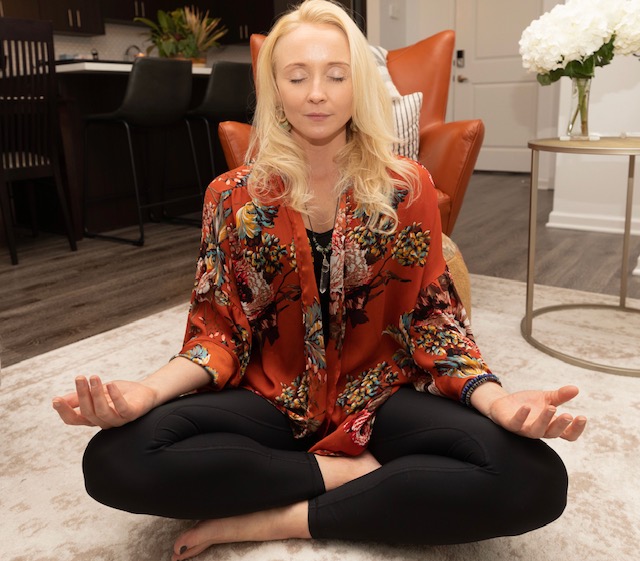
Meditation and mindfulness became part of my daily healing practice and it still is.
Recovering from this was not just about getting discharged from the hospital. It was about rebuilding everything. My awareness of the impact of stress. My lifestyle and daily habits. My understanding of what true health and well-being actually means.
My meditation practices deepened. I started looking further into the connection of the heart, mind, and body. I learned to listen to my body instead of overriding it. I stopped treating rest and relaxation as laziness and started treating it as healing medicine.
Slowly, something shifted. Not just physically. Something deeper. I began to understand that the the importance of identifying the root cause of why things happen, not just treating the illness or disease. The root cause approach may be the missing piece.
2017
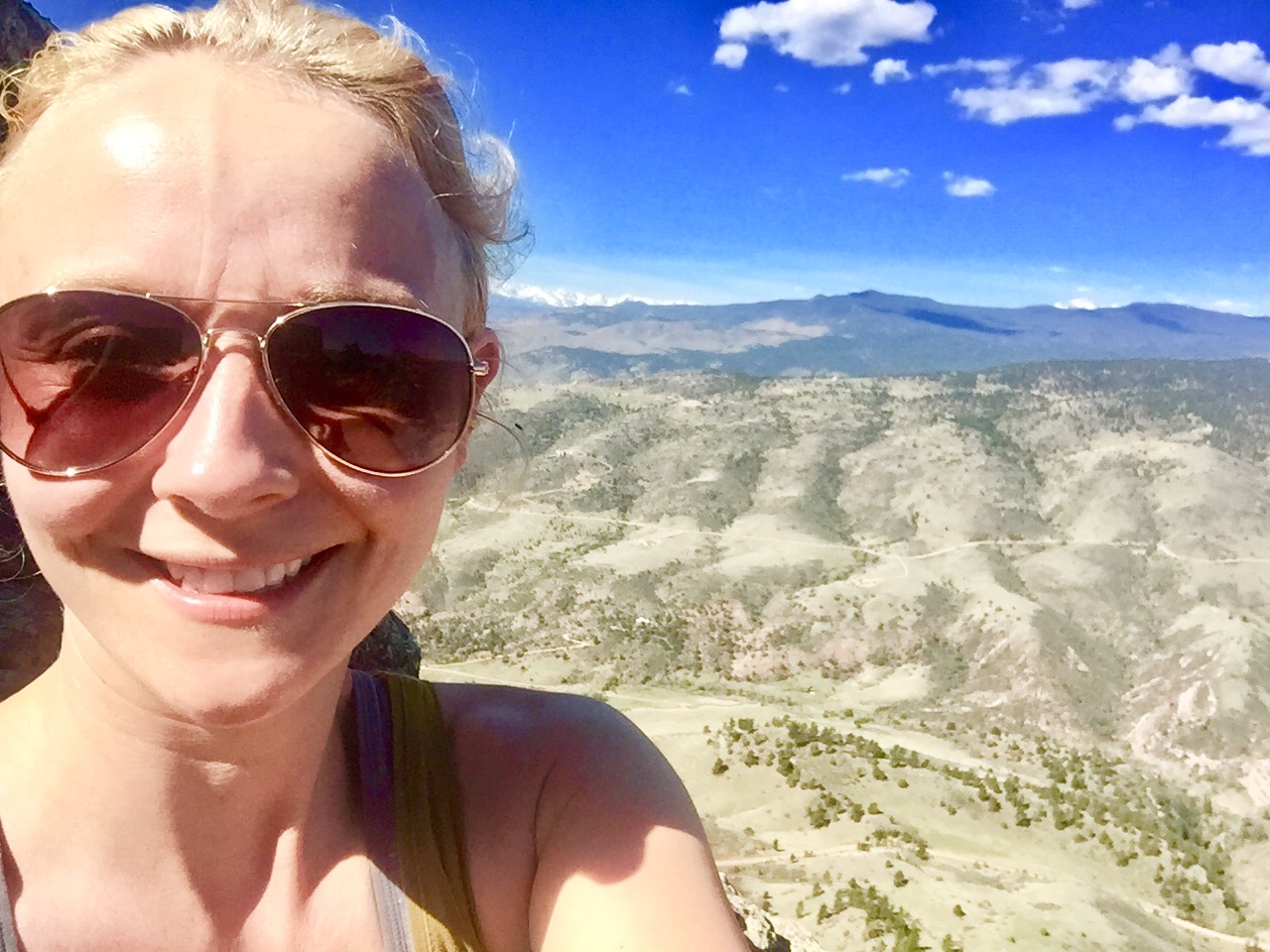
One year later. Hiking near Fort Collins. Stronger, healthier, and mindful.
Approximately one year after nearly losing my life, I was hiking trails near Fort Collins, Colorado. Standing on a the side of a mountain, I cried. My tears were that of gratitude for being alive, strong, healthy, and the ability to regain trust in my body.
I started exercising again, but differently this time. Not to push my body to extremes but to celebrate what it could do. I took real breaks. I slept without guilt. I ate in ways that nourished me rather than just fueled me through one more shift.
I was not just recovering. I was becoming someone new and it was transformational. Someone who understood, from the inside out, what happens when you overlook the signals your body is sending.
2017 and Beyond
Life is precious. Every sunset is a reminder of that.
I completed my nurse practitioner degree and came out of it a completely different person and clinician than when going into the program. After years of bedside nursing experience, I now had the lived experience of being the patient.
That experience shaped everything about how I practice medicine today. I do not just look at lab numbers and check boxes. I look at the whole person sitting in front of me. Their stress. Their sleep. Their nutrition. Their nervous system. The I hear them when they tell me about the invisible load they carry every day.
I know what happens when those things go unchecked. I lived it.
Today
Rooted Heart Wellness is not just a clinic. It is the practice built on a foundation of a pure intention to help others. A practice that I want people to know about and have access to. Where people are heard and their journey matters. A root cause, whole-person approach means more than just putting a band aid on symptoms.
Every person who walks through my door carries a story. Some are running on empty like I was. Some have already had their wake-up call. Some just feel like something is off and want answers.
Whatever brought you here, I want you to know: you are not alone. And you do not have to wait for a crisis to start taking care of yourself - mind, body, heart.
Life is precious. I almost learned that the hardest way possible. Now I have the opportunity to spend my days helping others protect their hearts and experience better health and vitality.